Your cart is currently empty!
Varied Climates Fuel Ecuador’s Global Flower Trade and Botanical Riches
QUITO, ECUADOR — Driven by stark geographic contrasts and fertile volcanic soil, Ecuador has cemented its status as a global powerhouse in floriculture while safeguarding a dizzying array of unique wild blooms. From the high Andean peaks favored by commercial rose growers to the steamy Amazonian basin nurturing rare orchids, the small South American nation transforms altitude and climate into an economic and ecological tapestry woven almost entirely out of petals.
This floral ecosystem not only underpins significant exports but also highlights the critical interplay between environment and biodiversity across four major ecological zones: the Highlands, the Coastal Lowlands, the Amazon Basin, and the Galápagos Islands.
Highlands Produce Prized Export Roses
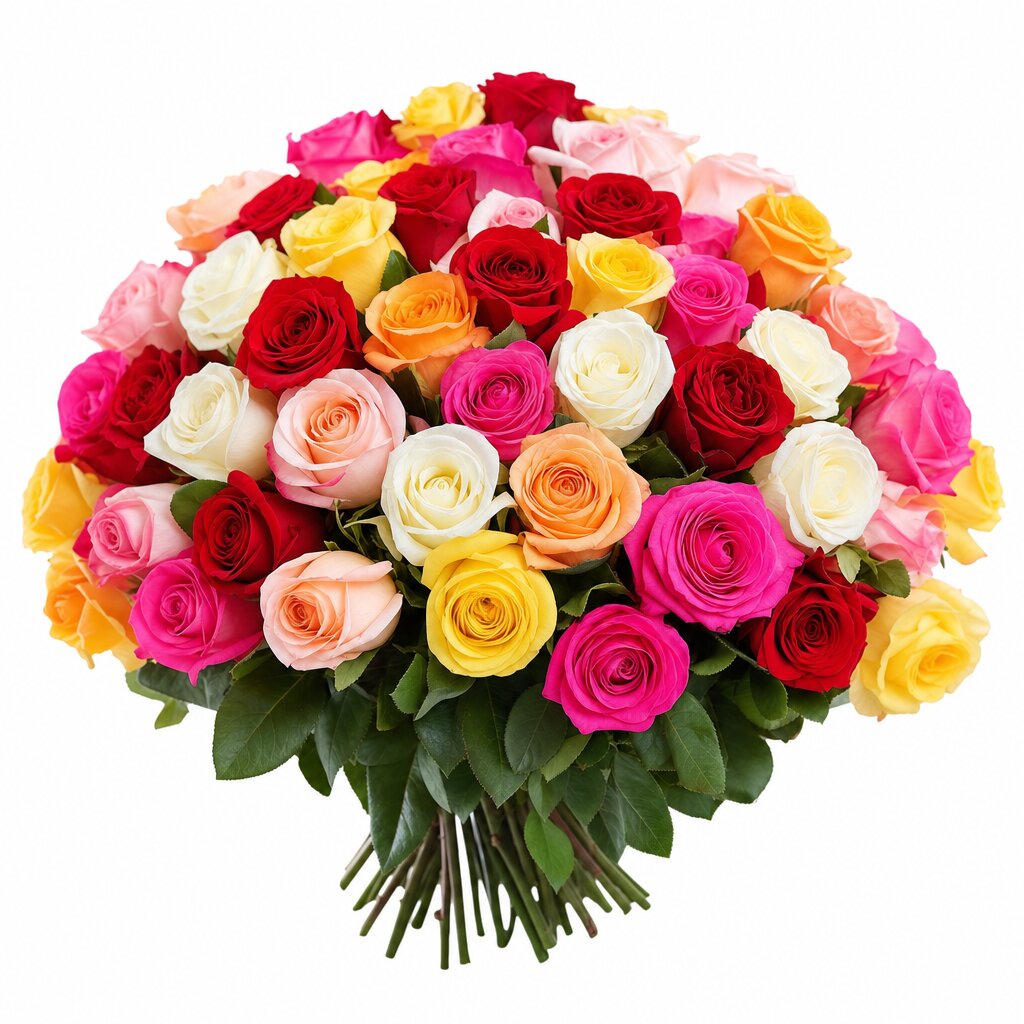
The Andean Highlands, or Sierra, serve as the economic heart of Ecuador’s flower industry. At elevations ranging between 6,500 and 11,500 feet above sea level, conditions prove ideal for cultivating structured, large-headed flowers. The combination of intense sunlight, crisp air, and mineral-rich volcanic earth promotes the slow, deliberate growth that yields roses prized internationally for their exceptional stem length, vivid coloration, and velvety texture.
Cities such as Cayambe, Quito, and Otavalo anchor the industry, collectively sending millions of stems—including specialty lilies and Peruvian lilies (Alstroemerias)—to international markets annually. For local communities, these greenhouses clinging to the mountain slopes represent a vital economic lifeline, heavily dependent on precise climate control and sustainable farming practices.
Coastal Belt Nurtures Tropical Splendor
Moving west toward the Pacific, the Coastal Lowlands, or Costa, offer a starkly different environment—one defined by year-round warmth and high humidity. This region, encompassing areas near Guayaquil and Los Ríos, supports the growth of tropical showpieces that thrive in moist, fecund conditions.
Among the dominant species here are the striking Heliconias, frequently recognized by their “lobster-claw” appearance and brilliant, fiery hues. The coastal plains are also home to a complex diversity of orchids and various species of ornamental Gingers, their dramatic shapes adding height and complexity to tropical floral arrangements. Cultivation often blends seamlessly with natural habitats, utilizing abundant water systems that border regional mangroves and river deltas.
Amazonian Jungle Guards Rare Botanical Secrets
To the east, the sprawling Amazon Basin represents Ecuador’s true botanical frontier. While commercial farming is less prevalent here, the rainforest operates as a vast natural conservatory for highly specialized and rare wildflowers.
The deep canopy and moist understory sustain species like the intricate Passionflower, whose complex structure supports crucial pollination dynamics, often involving specific species of hummingbirds. Epiphytic plants, particularly Bromeliads, dot the forest structure, their water-collecting rosettes adding subtle color to the deep green backdrop. The rainforest also harbors some of the most delicate and least-studied orchids on Earth, species often known only to indigenous communities and dedicated botanists, underscoring the region’s massive ecological value beyond commerce.
Galápagos Islands Demonstrate Floral Adaptation
Even the isolated, ecologically unique Galápagos Archipelago contributes to the nation’s floral narrative through endemic species. Plants here demonstrate remarkable resilience, having evolved to withstand salty winds, intense sun, and minimal rainfall. Classic examples include the genus Scalesia, sometimes called the “Darwin’s finch of flowers,” illustrating unique evolutionary pathways.
Ecuador’s remarkable floral heterogeneity—from structured high-altitude crops to delicate jungle blooms—is a direct result of its location and dynamic topography. For ecologists and travelers alike, this geographic diversity presents an unparalleled opportunity to explore evolution in action, promising new scientific discoveries and an everlasting source of fragrance and color.