Your cart is currently empty!
Floral Alchemy: Preservation Turns Ephemeral Blooms Into Lasting Luxuries
Florists and designers are embracing a new era of sustainable luxury as specially treated blossoms, known as preserved flowers, replace traditional fresh arrangements, offering months or even years of vibrant, maintenance-free beauty across homes and event spaces. Unlike desiccated flora, which often turn fragile and lose color saturation, these specially processed blooms retain their natural flexibility, softness, and rich hue through a sophisticated chemical exchange, according to industry experts and specialized botanical suppliers.
This longevity is achieved primarily through a process where the flower’s natural moisture and sap are replaced with a glycerin-based solution and natural dyes. This “rehydration” locks in the flower’s physical characteristics, essentially pausing the aging process while maintaining a remarkably lifelike texture.
The Rise of Eternal Arrangements
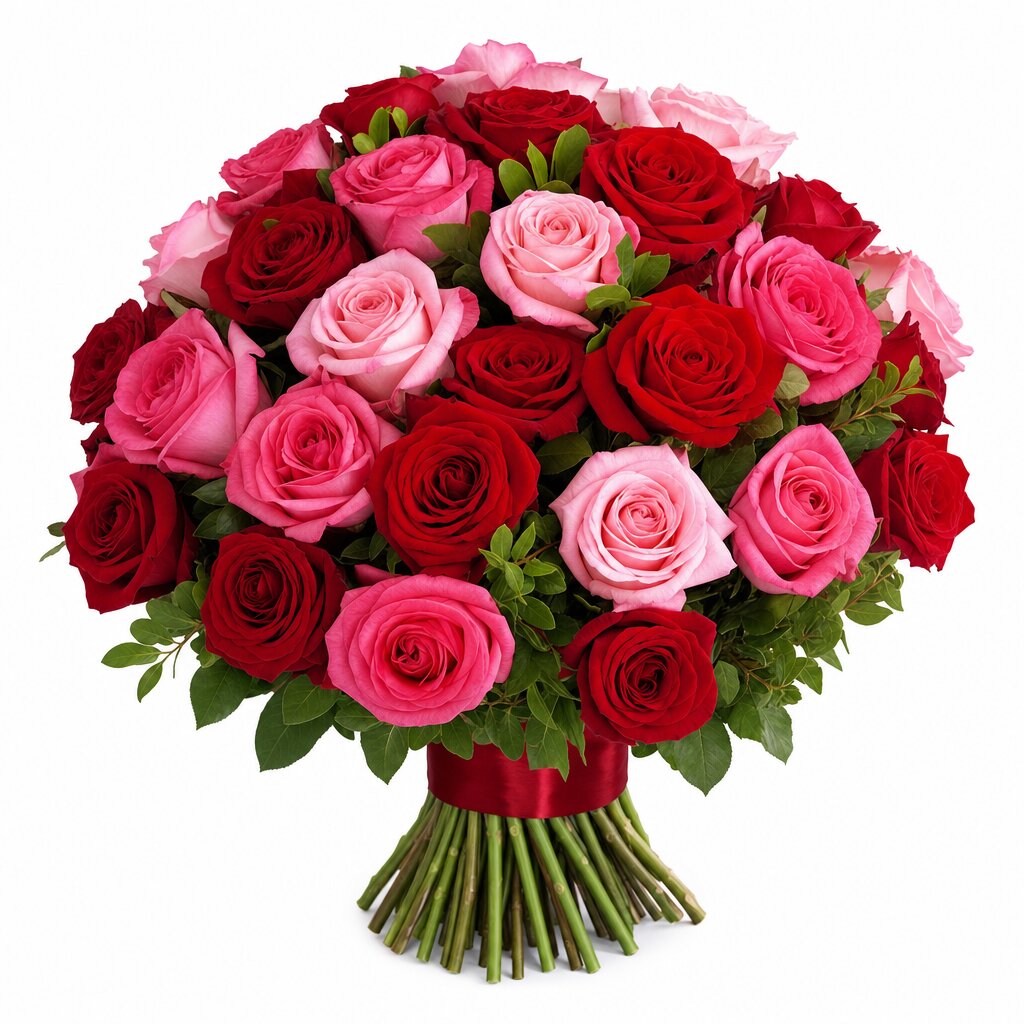
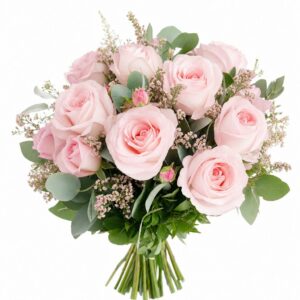
The centerpiece of the preserved flower movement remains the rose. Highly prized for luxury bouquets and sentimental gifts, preserved roses undergo a meticulous process that keeps their velvety petals soft and their romantic silhouette intact. Standard long-stem varieties offer dramatic elegance, while smaller spray roses provide texture in complex arrangements. To maximize their lifespan, these roses demand protection from direct sunlight and excessive humidity, which can lead to color degradation or mold.
Beyond the classic rose, the preservation technique is transforming several highly sought-after varieties:
- Preserved Hydrangeas are valued for their voluminous, clustered blooms. The glycerin infusion maintains their spherical form, making them excellent choices for statement pieces and lush centerpieces. However, their intricate petal structure necessitates extremely delicate handling to prevent bruising.
- Preserved Eucalyptus has emerged as a favorite preserved foliage. Available in soothing greens, silvers, and even soft blues, its structural leaves add crucial texture and depth to wreaths and garlands. Despite its durability, eucalyptus is hypersensitive to humidity and must be kept in dry conditions.
- Preserved Peonies and Orchids represent the high-end spectrum. Peonies maintain their romantic, voluminous texture, ideal for bridal décor. Preserved orchids, such as the elegant Phalaenopsis and Dendrobium, offer an extravagant, long-lasting alternative to their fresh counterparts, often highlighted in premium gift boxes where their exotic forms can be appreciated without the urgency of decay.
Filling the Gaps with Delicate Textures
To build nuanced arrangements, preservation extends to essential filler flowers. Preserved Baby’s Breath (Gypsophila) and Preserved Lavender are crucial for adding verticality and texture. Baby’s breath maintains its airy cluster form, lending an ethereal quality to bouquets, while lavender uniquely retains some of its aromatic qualities, making it ideal for rustic or aromatherapy-inspired designs.
A significant benefit of these preserved elements is their resilience compared to traditionally air-dried flowers, though they are not indestructible. Specialized handling is still required for fine structures like baby’s breath to prevent breakage.
Maintenance Is Key to Longevity
The greatest appeal of preserved flora is the minimal maintenance required, positioning them as a sustainable alternative that minimizes floral waste. Critically, these flowers must never be watered. Introducing moisture will destroy the preserving medium and encourage mold. Longevity is maximized by adhering to three simple rules: avoid direct sun exposure, maintain low humidity, and refrain from excessive handling.
By keeping the flowers in a controlled, dry environment and performing occasional gentle dusting, preserved arrangements can maintain their aesthetic appeal for one to three years or longer. This enduring beauty allows florists and consumers to invest in sophisticated, long-term décor that bridges the gap between the vibrancy of nature and the permanence of art. The shift toward preserved blooms signals a growing market demand for accessible, sustainable luxury in floral design.