Your cart is currently empty!
Dried Blooms Offer Sustainable Luxury to Modern Floral Design
In a significant shift within floristry, dried flowers are emerging as a refined, long-lasting alternative to perishable fresh arrangements, prized for their unique rustic charm and textural depth. Unlike their fresh or stabilized counterparts, these dehydrated natural blooms offer structural integrity and muted aesthetics highly sought after in contemporary home décor and event planning, providing a durable solution for designers seeking perpetual beauty.
The process of careful dehydration preserves the original shape and color of the plant material, transforming the natural texture into a papery, brittle state that dictates specialized handling. This longevity has repositioned dried arrangements from purely traditional craft items into a high-end, sustainable choice favored by florists and interior stylists globally.
The Palette of Preservation
The dried floral market now spans a diverse botanical range, each variety contributing specific characteristics to a composition:
- Roses: A classic choice, dried roses maintain their iconic layered structure, albeit with a delicate, curled, papery texture. Their color subtly softens during drying, imbuing them with a desirable vintage appeal, often featured in shadow boxes and wall hangings.
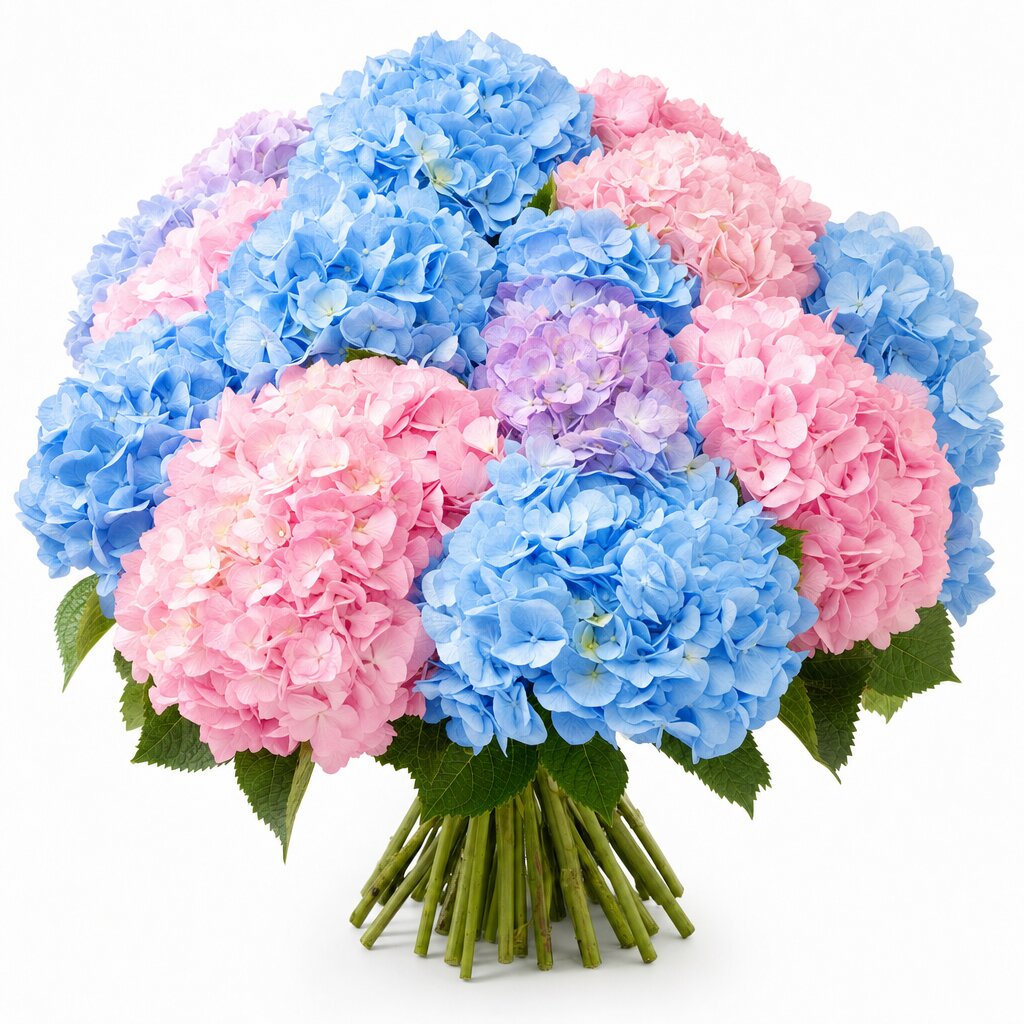
- Hydrangeas: Valued for their voluminous clusters, dried hydrangeas offer significant texture and size for large installations or table centerpieces. The drying process often deepens their color into subtle earthy tones, making them ideal for impactful bohemian designs.
- Lavender: Uniquely, dried lavender retains its distinct, soothing fragrance long after harvest. This aromatic quality, combined with its slender stems and muted purple hue, makes it indispensable for sachets, country-style bouquets, and intimate wedding décor.
- Support Elements: Essential for structure and movement are dried grasses and foliage. Pampas grass, with its feathery plumes, has become a décor staple, providing height and a neutral, fashionable texture. Similarly, baby’s breath (Gypsophila) and eucalyptus act as crucial fillers, adding airiness and foundational volume to mixed compositions.
- Color Fastness: Some smaller blooms are specifically chosen for their exceptional color retention. Statice and globe amaranth maintain vibrant purples, pinks, and reds, offering essential bursts of color that are remarkably durable and resistant to fading. Strawflowers (Helichrysum) are particularly resilient, often retaining a bright, cheerful palette of yellows and oranges, enduring the drying process better than most.
Care Maximizes Lifespan
While exceptionally low-maintenance, dried flowers require specific environmental conditions to ensure their longevity, which can span several years. Professionals advise strict adherence to these guidelines:
- Avoid Direct Sun: Exposure to strong sunlight rapidly strips the remaining pigment, causing significant color fading.
- Control Humidity: Moisture is the enemy of dried flowers, encouraging mold growth and compromising the structural integrity of the brittle material. They must be kept in dry conditions.
- Gentle Handling: Due to their delicate, brittle nature, physical contact must be minimized to prevent stems and petals from crumbling.
- Dusting: Fine dust can be cautiously removed using a soft brush or a low-temperature setting on a hairdryer held at a distance.
Florists now frequently combine these diverse elements—such as mixing robust hydrangeas with delicate lavender and supporting grasses—to craft highly customizable arrangements. This fusion allows for the creation of aesthetic styles ranging from refined vintage to stark contemporary. By understanding the unique characteristics of each bloom and implementing simple protective measures, dried flowers offer consumers and designers a versatile, expressive, and sustainable medium that consistently delivers enduring beauty.