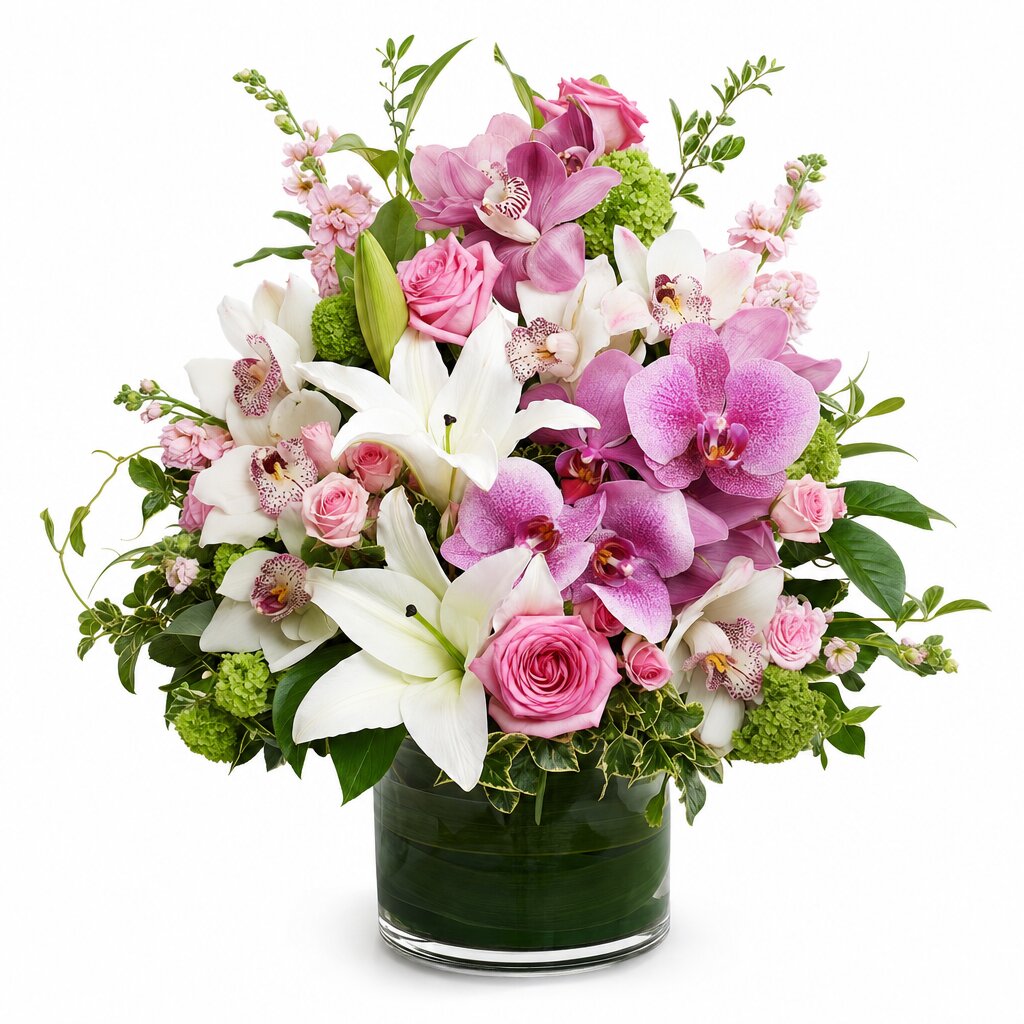
Kitchen Chemistry Extends Bouquet Life: Florist Secrets Revealed

Even the most vibrant bouquet can quickly wilt, transforming a small indulgence into a fleeting memory. However, the commercial packets designed to prolong flower life rely on a simple trio of ingredients—sugar, sanitizer, and acid—that can be easily replicated at home, dramatically extending the freshness of cut flowers. By applying the same chemical principles used by professional florists, consumers can leverage common household items to create potent preservatives, ensuring their arrangements remain vibrant for days longer than with plain water alone.

The science behind flower preservation is rooted in addressing the plant’s basic needs once severed from its roots. A cut flower must continually draw water—and absorb necessary nutrients—to fuel metabolic processes, maintain turgidity, and fend off microbial invaders. Effective flower food, whether store-bought or homemade, must fulfill three critical functions: providing energy, facilitating water uptake, and controlling bacterial growth.

The Essential Ingredients for Longevity

When a stem is cut, the flower loses access to the continuous supply of carbohydrates and water provided by the root system. To compensate, a successful homemade preservative needs three components:

  • Sugar: Serves as the vital energy source. Flowers continue to respire and grow after being cut, and simple granulated sugar acts as the carbohydrate fuel needed to ensure petals develop fully and retain their color.
  • Acidifier: Supports water flow. Stems naturally clog over time due to air bubbles and physical obstructions. Ingredients like lemon juice or white vinegar slightly lower the water’s pH, which mimics the ideal acidity for plant cell function and keeps the vascular system (xylem) open, allowing water to reach the bloom.
  • Antimicrobial Agent: Prevents decay. Standing water quickly becomes a breeding ground for bacteria and fungi. These microbes multiply, cloud the water, cause odors, and physically clog the cut ends of the stems. A small amount of household bleach acts as a safe, effective disinfectant to suppress this microbial growth.

The core recipe for a highly effective, professional-grade solution requires just three widely available items per one quart of clean water: one tablespoon of granulated sugar, two tablespoons of lemon juice or white vinegar, and half a teaspoon of household bleach. All ingredients must be thoroughly dissolved in the water before the flower stems are submerged.

Beyond the Basics: Alternate Formulas

While the standard formula is reliable, several alternatives use different household components to achieve the same result:

  • Citrus Soda Solution: Many florists favor this fast solution. One part clear, non-diet citrus soda combined with three parts water and a dash of bleach provides both the necessary sugar and the acidifier in one step. Diet sodas are ineffective as their artificial sweeteners provide no caloric energy for the bloom.
  • Aspirin-Based Mix: For decades, crushed aspirin has been used to mildly acidify water, benefiting water absorption. Combining one crushed aspirin tablet with one tablespoon of sugar and a half teaspoon of bleach addresses all three preservation requirements.

Proper Preparation is Key

The longevity of a bouquet depends as much on physical preparation as on the quality of its water. Even the strongest preservative solution cannot fix a poorly prepared arrangement. Experts recommend the following preparatory steps, which can extend vase life by several days:

  • Cleanliness First: Always use a vase that has been scrubbed thoroughly with hot, soapy water to remove invisible bacterial residue from previous arrangements.
  • Immediate Hydration: Place flowers in water promptly to prevent air pockets from forming within the stems.
  • The Diagonal Cut: Use sharp shears or scissors to trim stems at a 45-degree angle while holding the stems under water (when possible). This maximizes the surface area for absorption and prevents the stem base from resting flat on the vase floor.
  • Remove Submerged Foliage: Strip away all leaves that will sit below the waterline. Decaying leaves are the primary catalyst for bacterial growth, which quickly fouls the solution.

To maintain optimal health, replenish the water and homemade flower food every two days, and recut the stems obliquely by about half an inch each time to clear fresh blockages. Keeping the arrangement in a cool location, away from direct sunlight and heat registers, also slows the aging process, allowing the blooms to provide cheer for the maximum possible duration.

florist near me